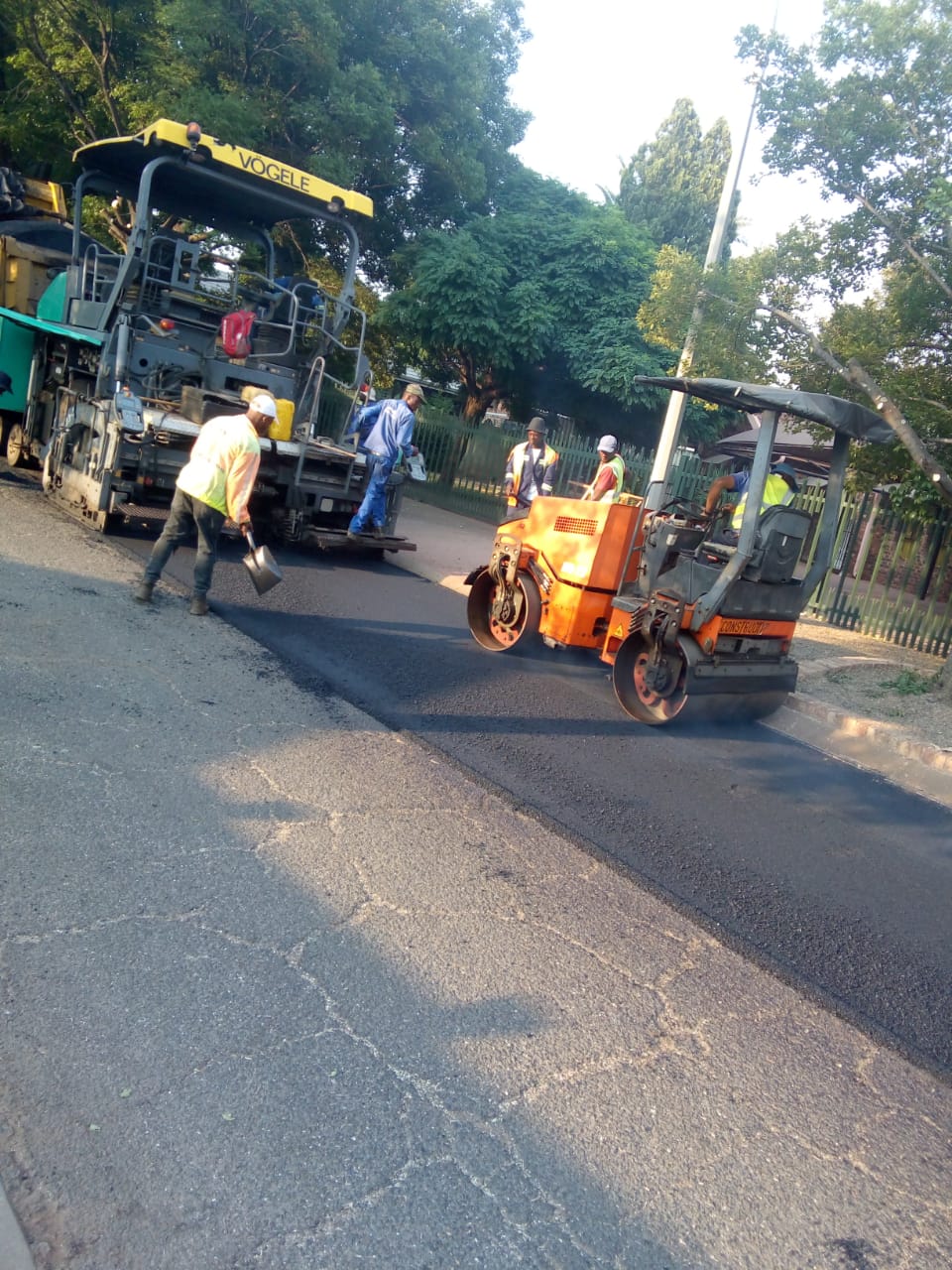
Tar roads surfacing, also known as asphalt roads surfacing, refers to the process of laying down a road surface made of asphalt concrete, commonly known as "blacktop." This process involves several steps, including the preparation of the roadbed, the application of a base layer, the placement of the asphalt mix, and the compaction of the surface.
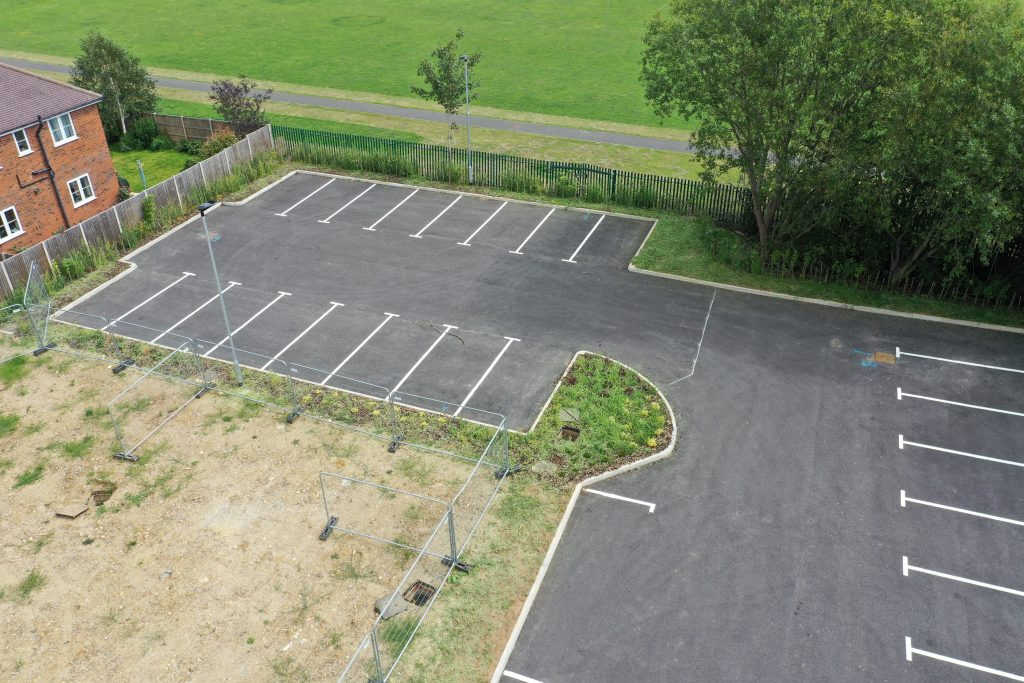
Car parking tar surfacing refers to the process of laying a tar or asphalt surface on a parking lot to provide a smooth and durable surface for vehicles to park on. This process involves preparing the area to be surfaced by clearing and leveling the ground, applying a layer of crushed stone as a base, and then applying a layer of hot tar or asphalt to create a smooth and level surface.
The tar or asphalt is typically applied in multiple layers, each layer being allowed to cool and harden before the next layer is applied. This helps to ensure that the surface is strong and durable enough to withstand the weight of vehicles and regular use.
Tar surfacing is a popular choice for driveways because it is relatively inexpensive, easy to install, and requires little maintenance. Additionally, it is highly durable and can withstand heavy traffic and extreme weather conditions. However, it does require periodic resealing to maintain its appearance and durability over time.
Speed hump construction is the process of building raised sections of road designed to slow down vehicles in a specific area. Speed humps are typically used in areas with high pedestrian traffic or where there are concerns about vehicle speed, such as school zones, residential areas, and parking lots.
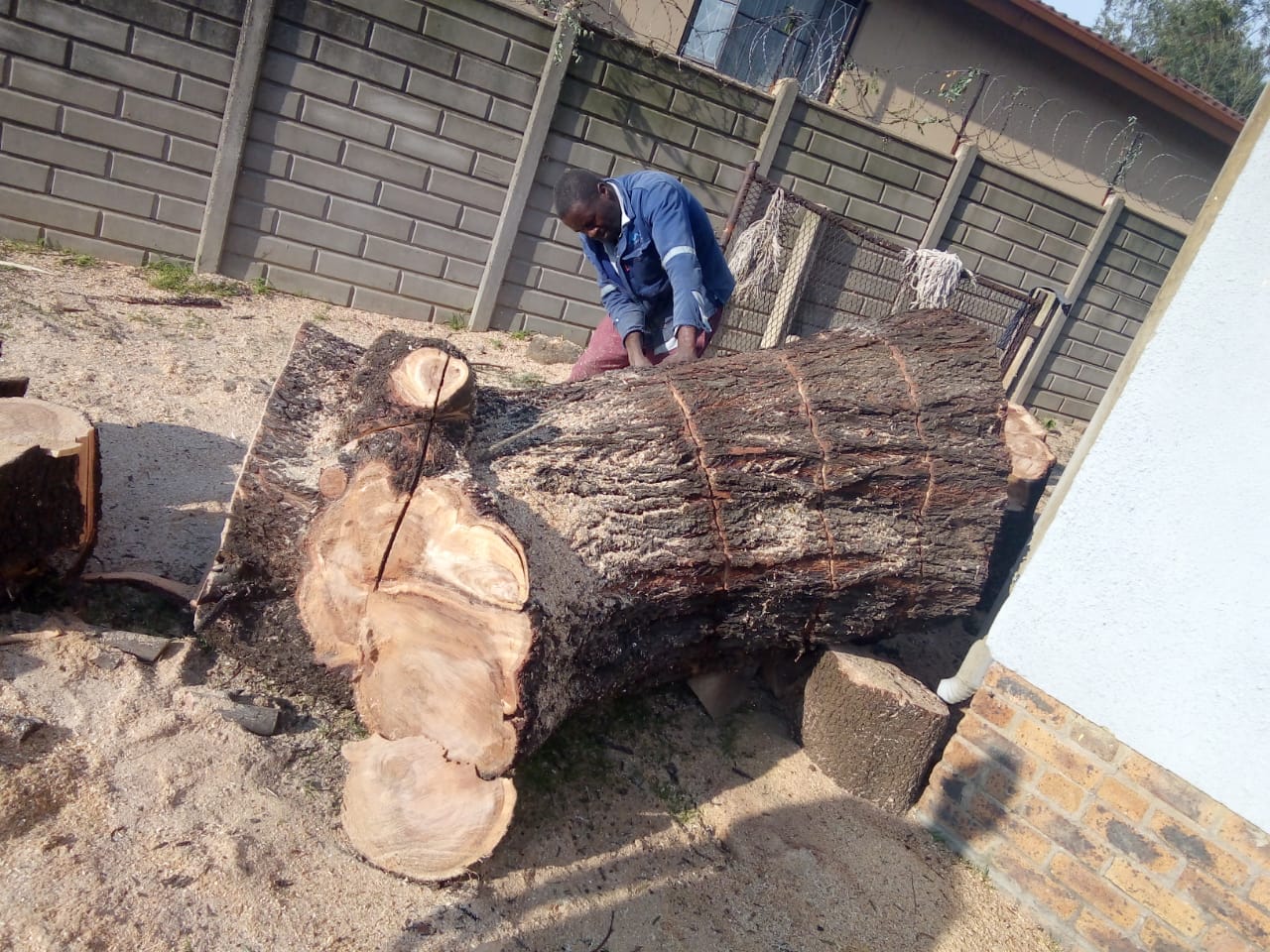
Tree uprooting can be a challenging and dangerous process, especially if the tree is large or located in a confined space. It typically involves using heavy equipment, such as cranes or excavators, to dig around the base of the tree and loosen the soil, allowing the tree to be pulled out of the ground.
In some cases, it may be necessary to remove the tree in sections to avoid damaging nearby structures or utilities. This process involves cutting the tree into smaller pieces and removing them one at a time.
Tree uprooting should only be carried out by trained professionals who have the necessary skills, equipment, and safety measures in place to ensure that the process is carried out safely and effectively.
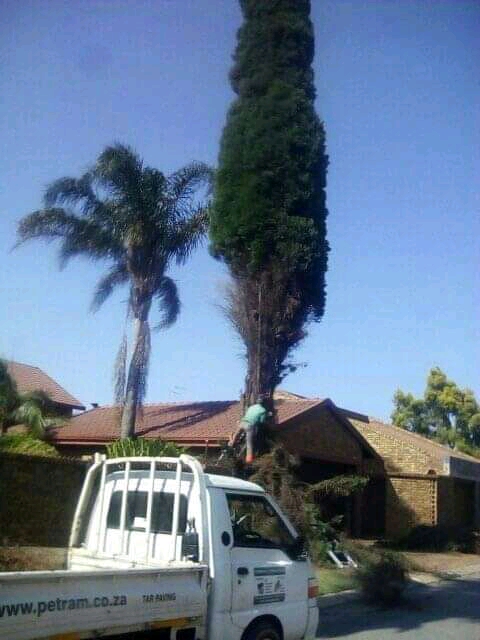
Tree trimming, also known as tree pruning, is the process of selectively removing branches or parts of a tree to improve its health, appearance, and safety. Tree trimming can also be done for functional reasons, such as to clear branches that may interfere with power lines, obstruct traffic, or block sunlight.
Tree trimming is typically done by trained professionals who have the knowledge and equipment to safely and effectively prune trees.